
U.S. Army Corps of Engineers advances Alternative D1 flood control approach supported by the Pearl River Revitalization Coalition
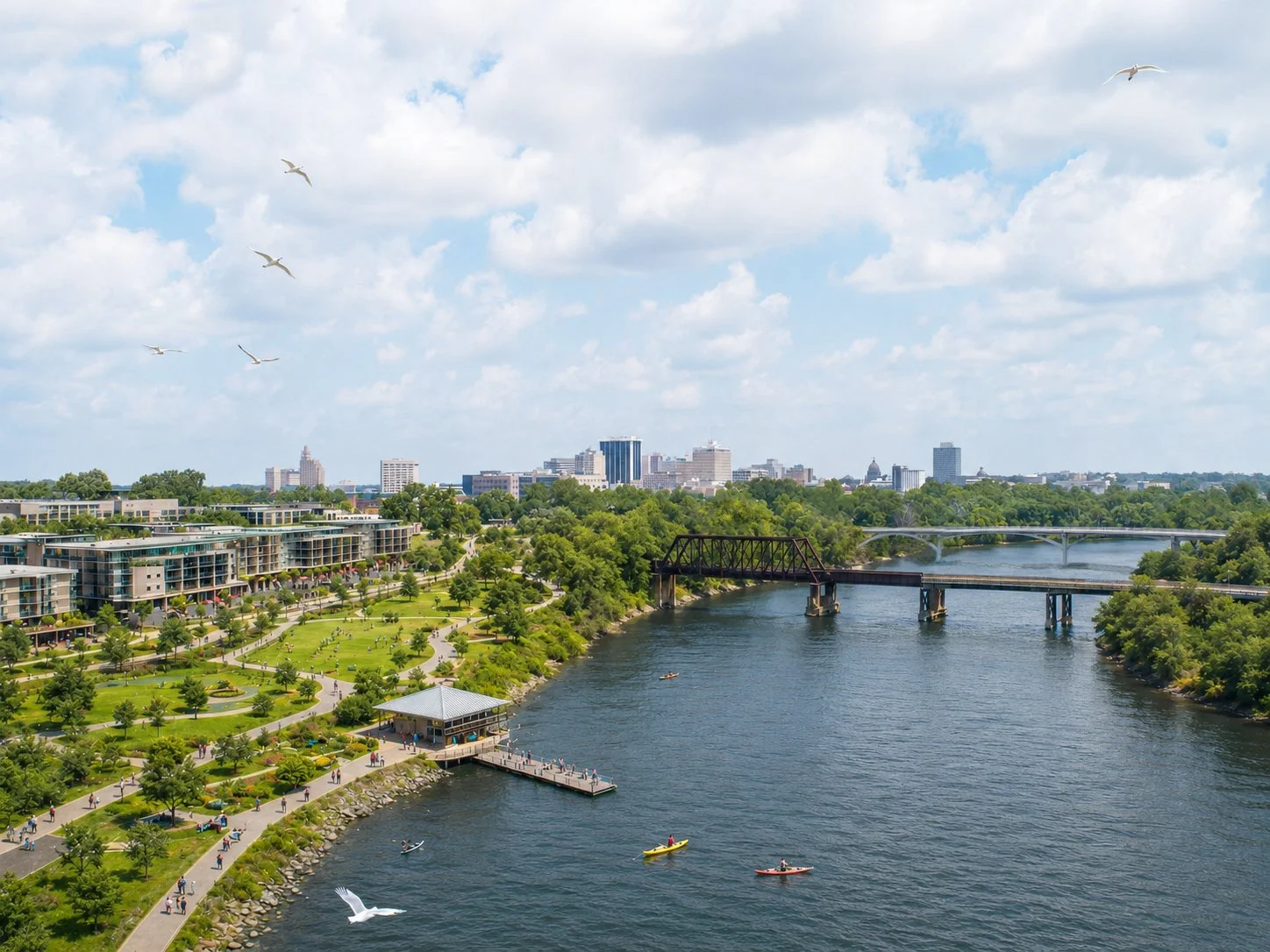
The U.S. Army Corps of Engineers has advanced a comprehensive flood control plan for Jackson based on Alternative D1, a solution designed to reduce flood risk for homes and businesses in Hinds and Rankin Counties while reopening long restricted access to the Pearl River. The project includes widening the river within the existing levee system and constructing a new weir south of I-20 as part of a broader strategy to modernize flood infrastructure and improve resilience in the capital region. “This decision is a victory for common sense and offers an opportunity for economic growth in the capital region,” said Chip Pickering, board member of the Great City Mississippi Foundation. “The advancement of this project reflects years of coordination surrounding flood protection, infrastructure, and future public access to the Pearl River.”
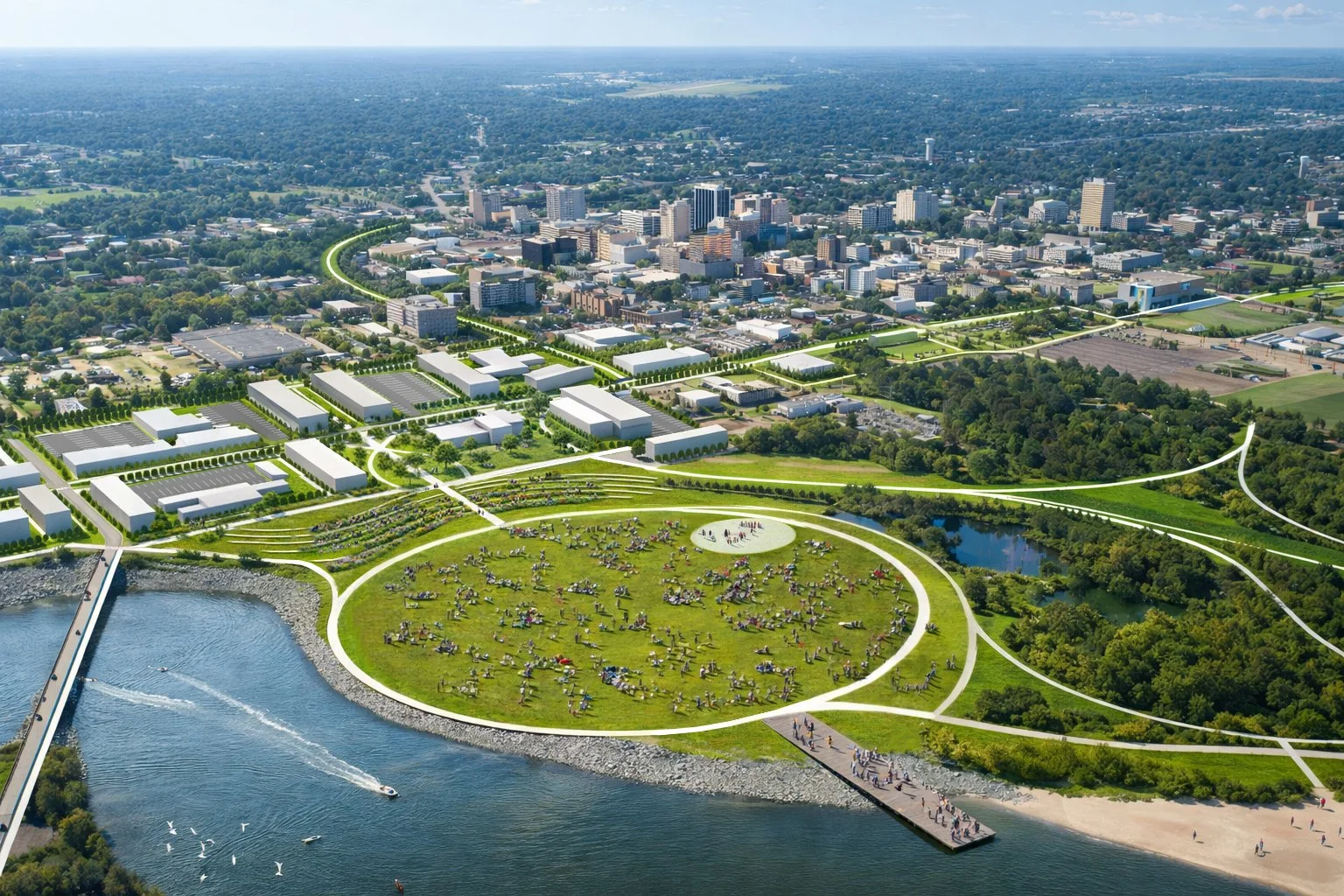
Riverfront Park represents the first major public park initiative directly connected to the Pearl River adjacent to Downtown Jackson. Planned as a future public access point along the river corridor, the project is intended to reconnect residents and visitors to the waterfront through trails, green space, gathering areas, and recreational access integrated alongside the broader flood control improvements.
Supported through collaboration between public agencies, engineers, planners, and community partners, Riverfront Park reflects a growing commitment to treating the Pearl River as both critical infrastructure and a public asset for the capital city. The project has the potential to strengthen connectivity between Downtown Jackson and the river while supporting recreation, tourism, and future investment along the waterfront.
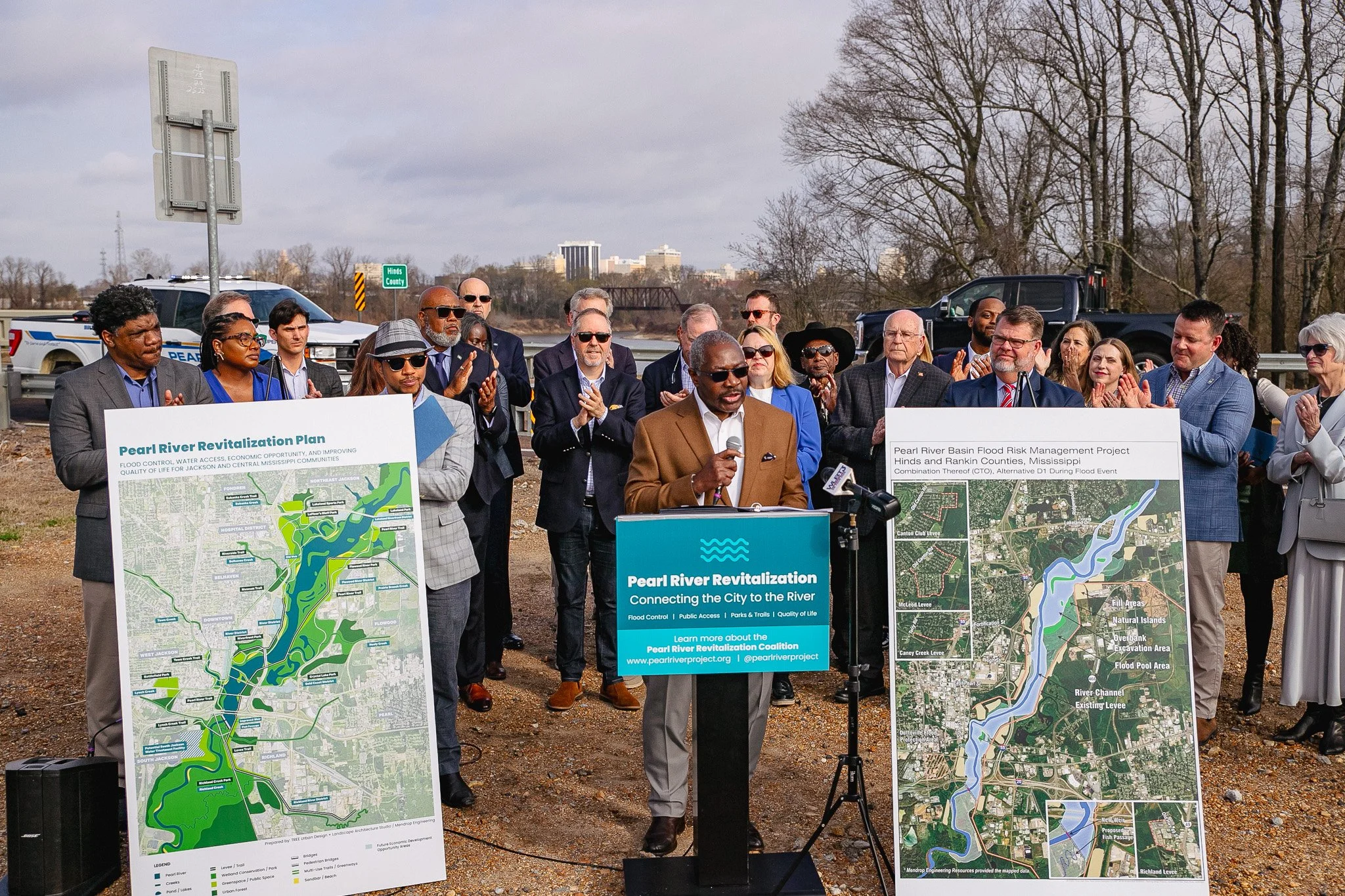
Great City Mississippi Foundation, as a member of the Pearl River Revitalization Coalition, applauds the leadership of the U.S. Army Corps of Engineers and the Rankin-Hinds Flood Control District in advancing this effort. Great City continues to support a comprehensive approach to flood protection that also creates opportunities for public access, parks, trails, and future investment along the river corridor. These improvements have the potential to strengthen quality of life, expand recreational access, and support the economic future of the capital city.